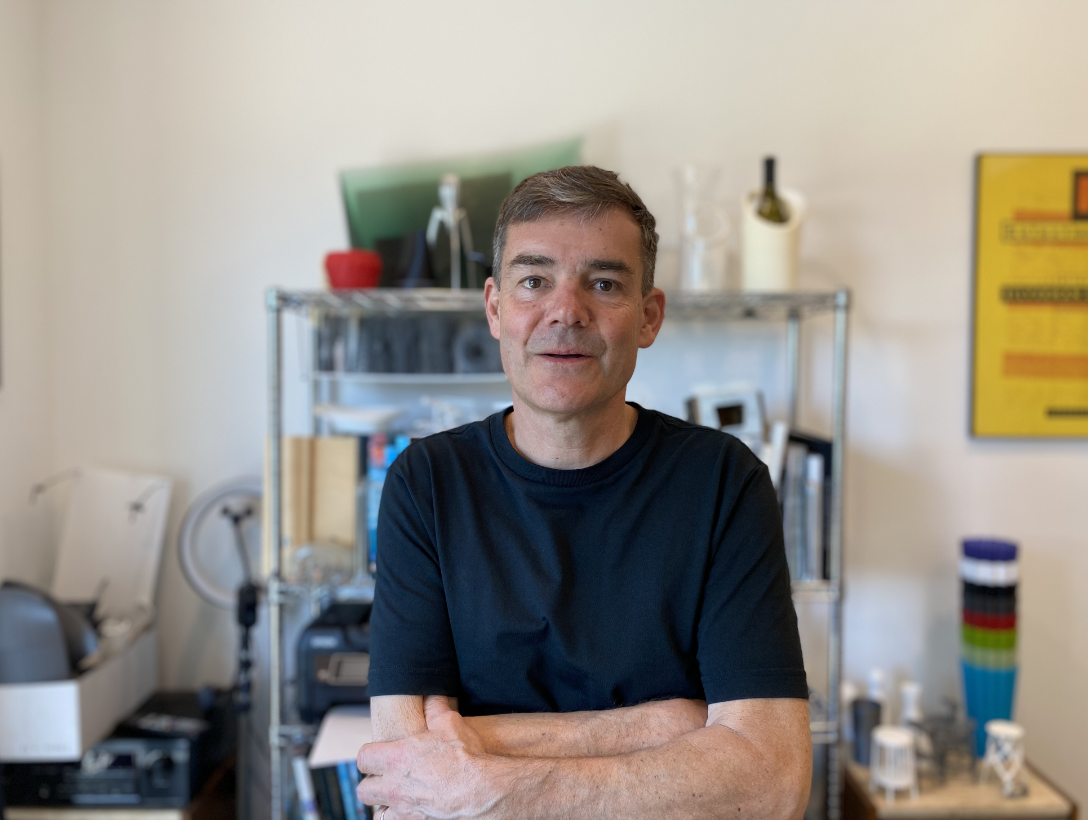
What's at the heart of your design?
Design begins with human experience - what we remember, how we live now, and what we imagine next. Every project starts with a story, and a decision about what should exist.
What drives your design practice?
Design-led ideas developed through client work, self-initiated products, and open explorations seeking the right partners. Most compelling when design operates as a way of thinking, not just a means of execution.
How do you stay innovative?
A balance between commercial work, independent exploration, and teaching. Each informs the other: practice keeps ideas grounded, exploration keeps them open, and teaching sharpens the questions.
What's your current role?
Co-leading seven02 since 2002 with a creative partner in life and work. Teaching Design History and The Business of Design at California State University, Monterey Bay.
What's shaped your design perspective?
Formative education and practice, including Cranbrook Academy of Art during the Mike and Kathy McCoy era, and professional experience at IDEO, frogdesign, Philips, BMW Designworks, and Henry Dreyfuss Associates. Also an alumnus of the Philadelphia College of Art.
How did living and working in The Netherlands inform your work?
A pivotal period translating experimental ideas into concepts and production designs at global scale. Teaching at what is now the Design Academy Eindhoven further deepened an appreciation for clarity, restraint, and modernist thinking.
Where can your work be seen?
Work held in the permanent collection of the Cranbrook Art Museum and exhibited and sold at the Museum of Modern Art. More meaningful still is seeing designs live in everyday use - shaped by people’s hands, habits, and experiences.
What defines great design to you?
Purposeful, quietly resolved, and built to endure. Simple without being reductive, grounded in a clear reason for being - a story that gives form meaning.
What’s behind the work?
I approach design as authored work. I’m less interested in making things look new than in deciding what should exist, why it should exist, and how it earns its place in the world. Form follows intention, context, and constraint - held in balance over time.
Hands-on design process.
Early ideas are tested through quick, physical mock-ups - often in foam core or paper - to establish scale, proportion, and relationship to the human body. These rough models reveal things screens can’t: how an object feels in the hand, how light moves across a surface, and how form holds up at full scale.
The process is intentionally fast and provisional. Making becomes a way to think - an honest tool for testing assumptions and allowing unexpected discoveries to emerge.
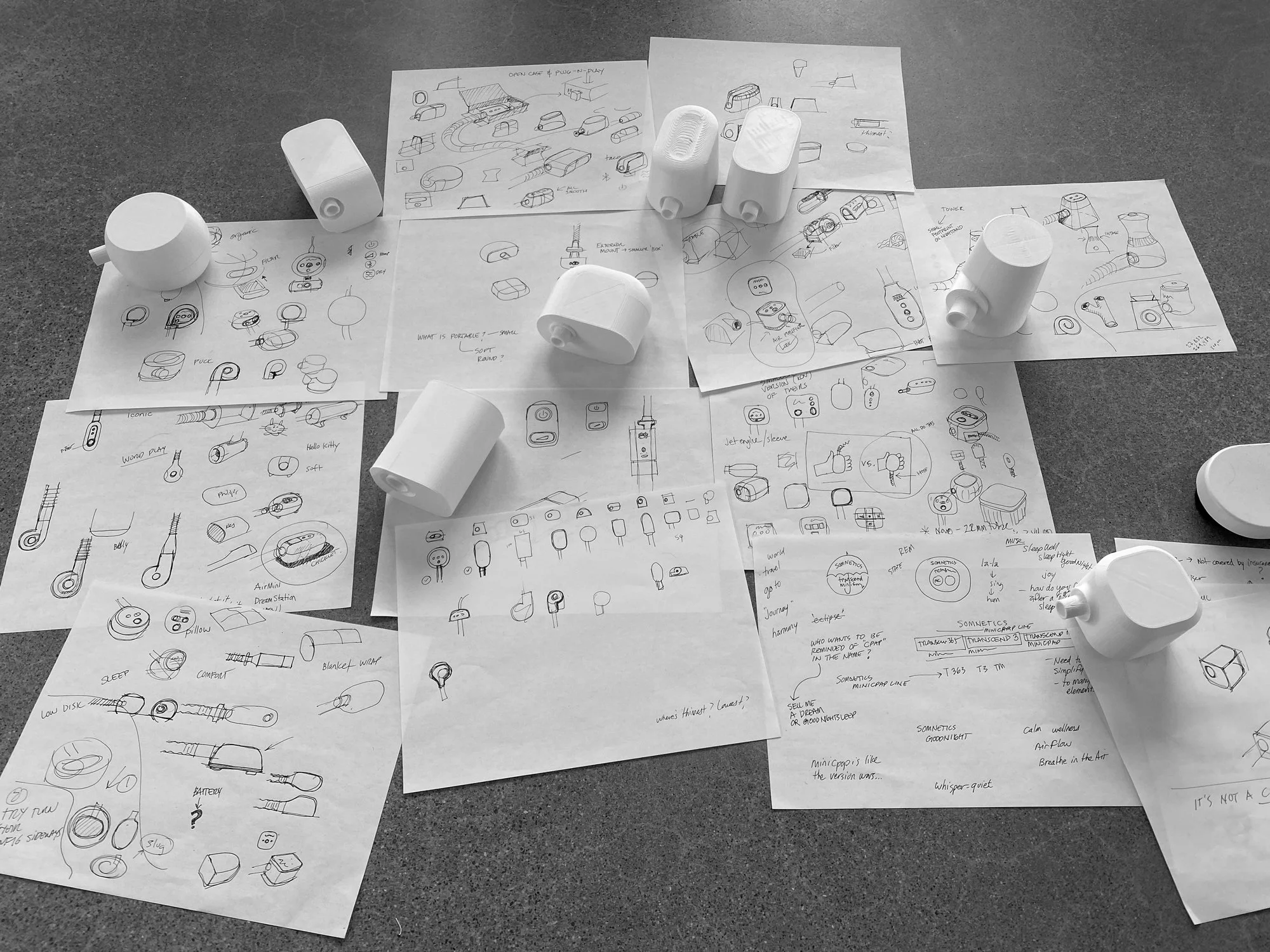
On-the-floor design review
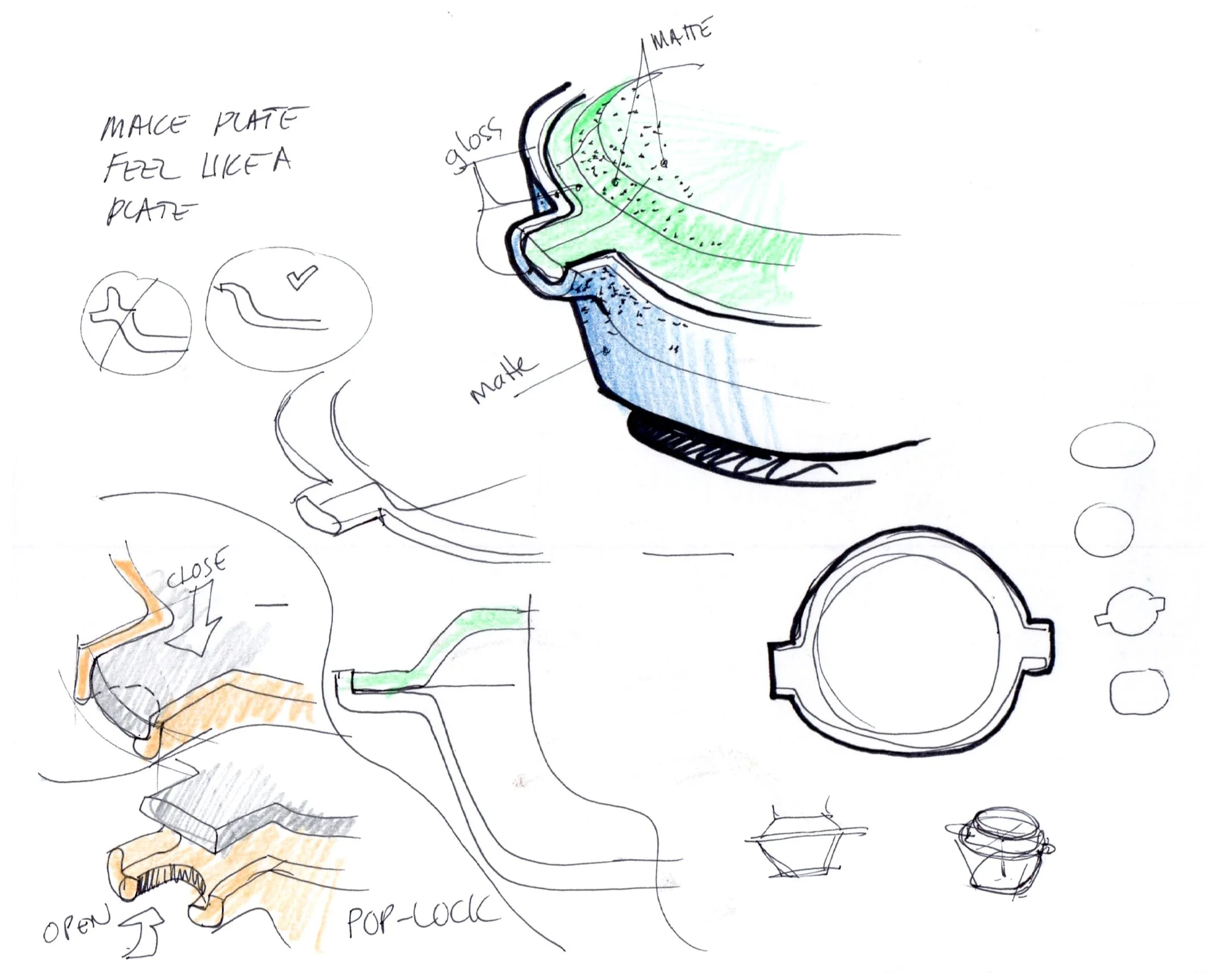
Details
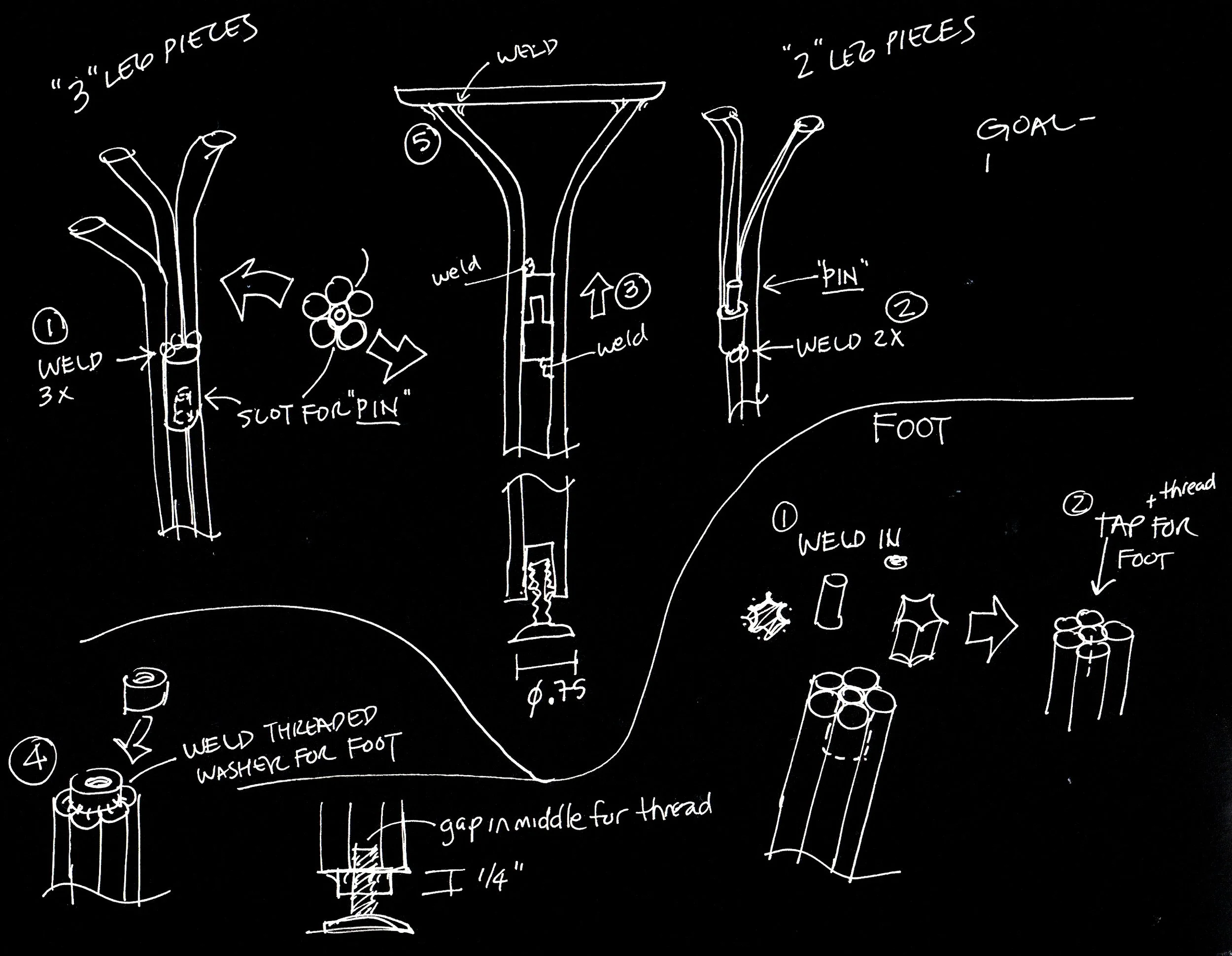
Table leg details
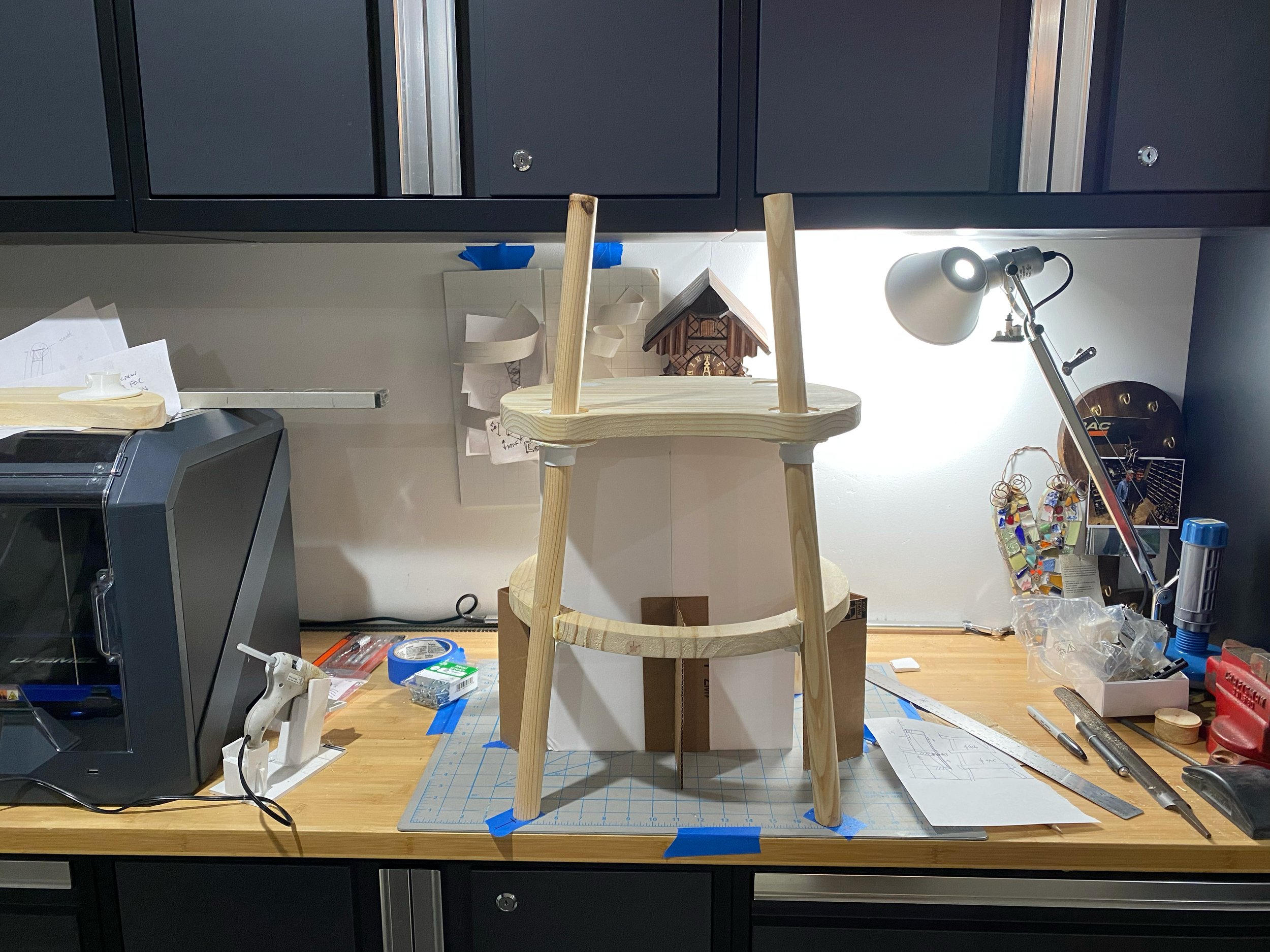
Bench top assembly
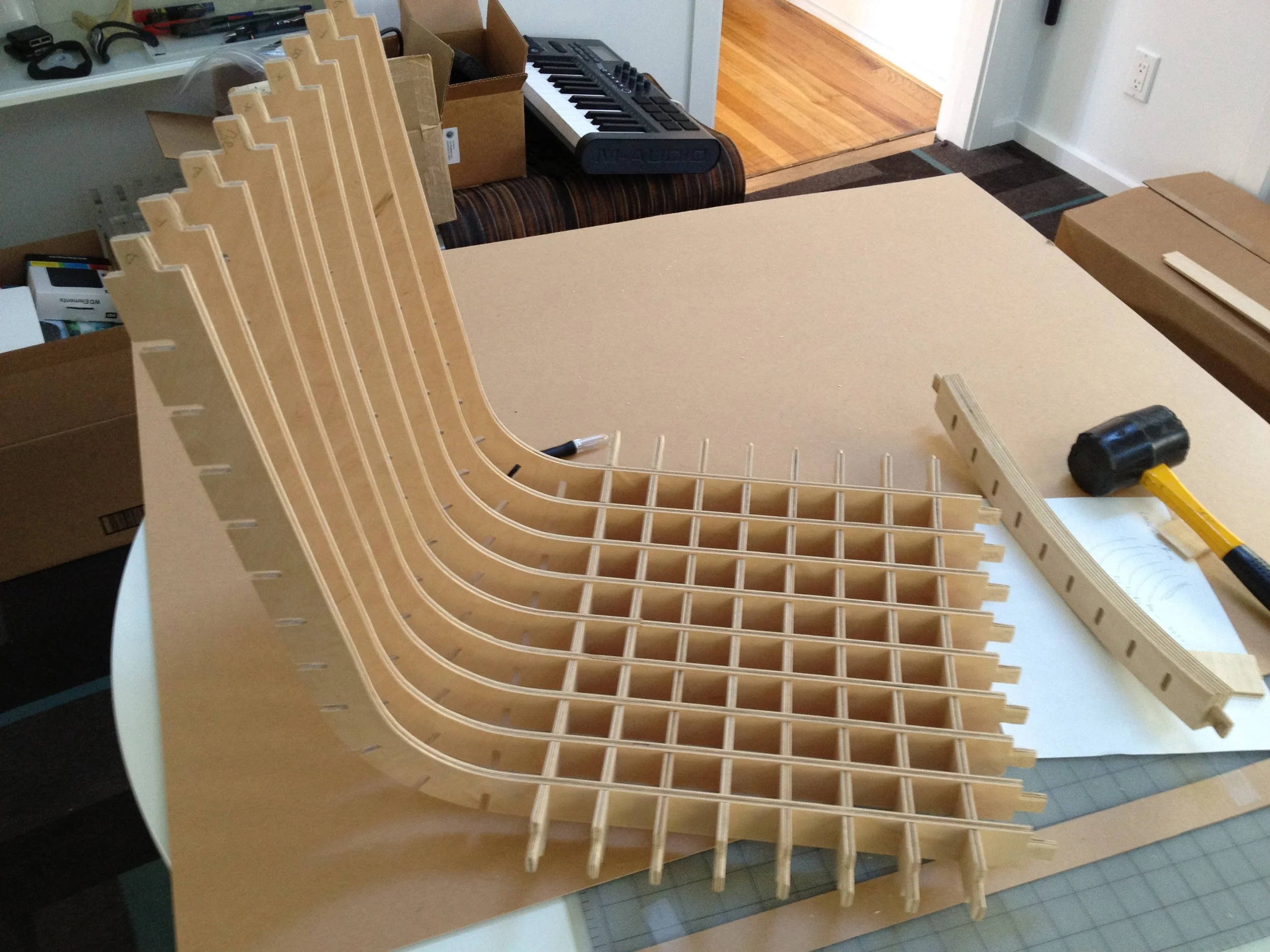
Nexus chair prototype assembly
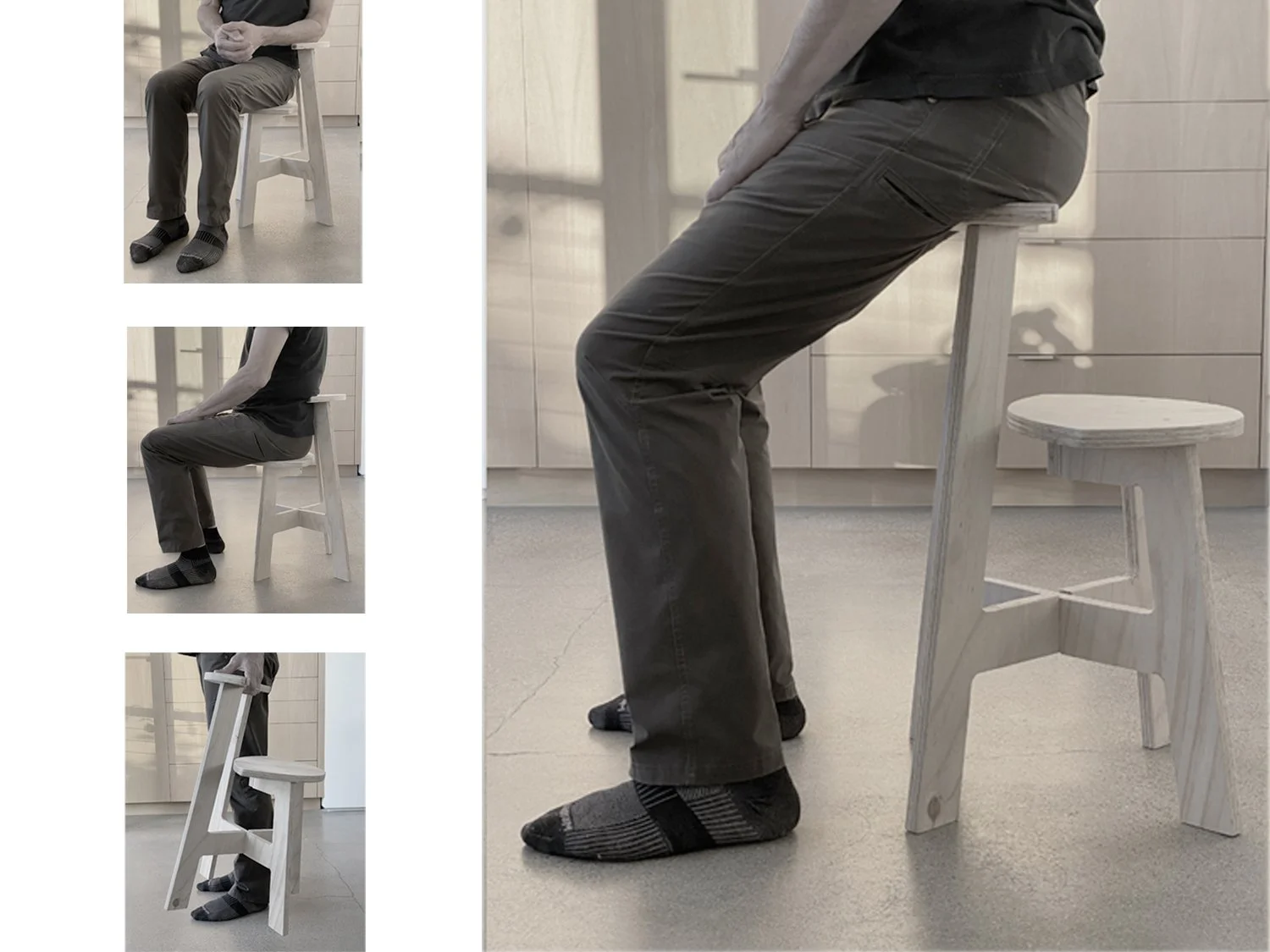
Testing form and load through use